
1908 – Former Bank of Nova Scotia, Winnipeg, Manitoba


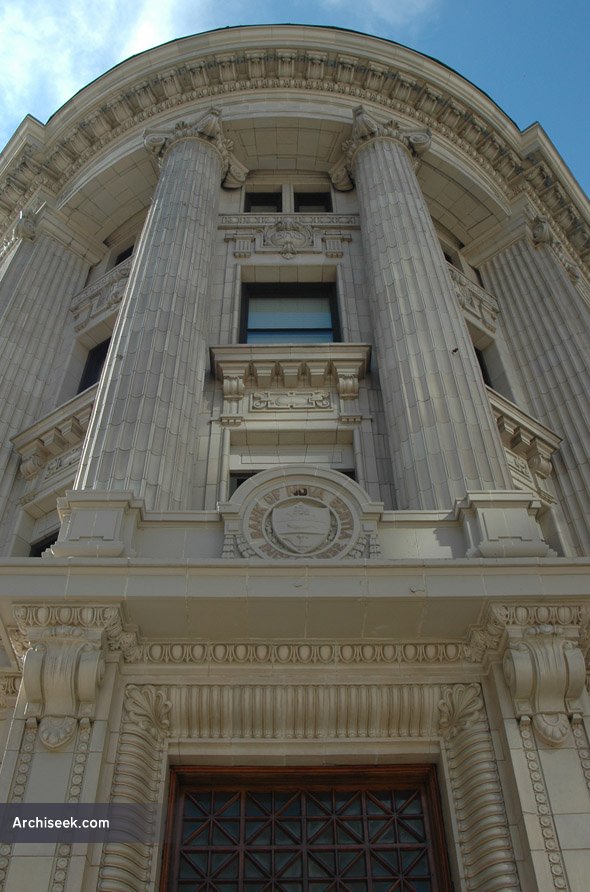
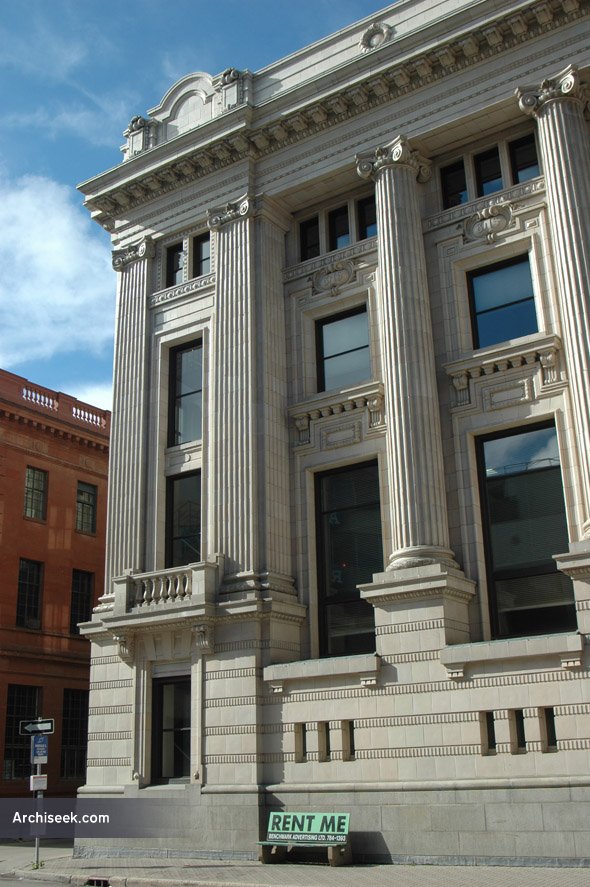
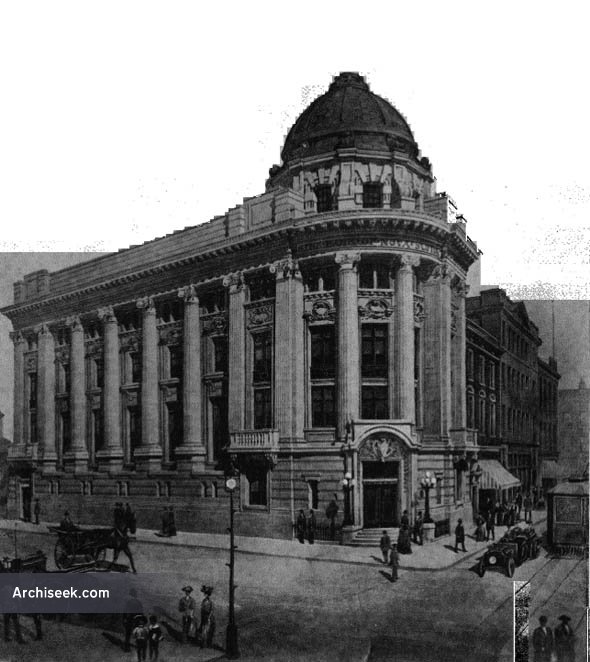

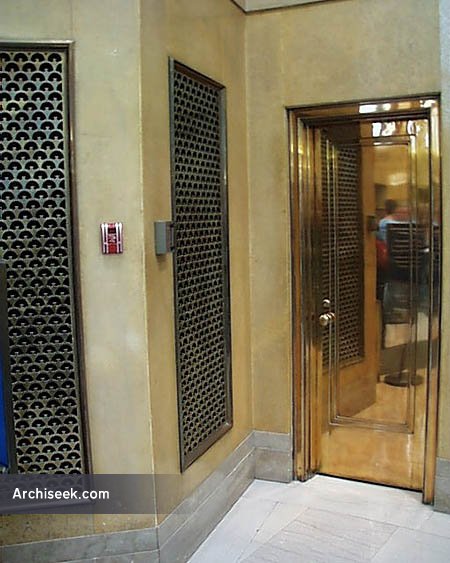

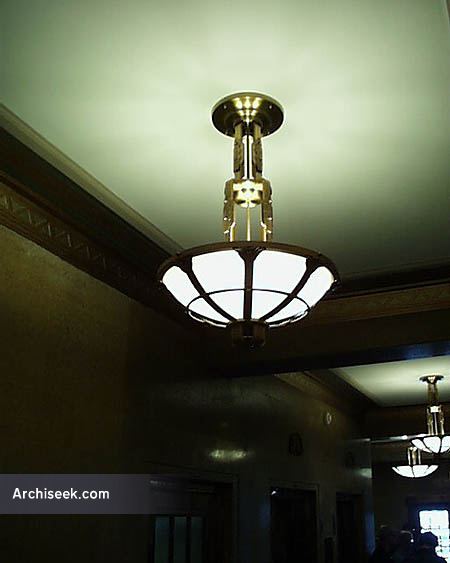
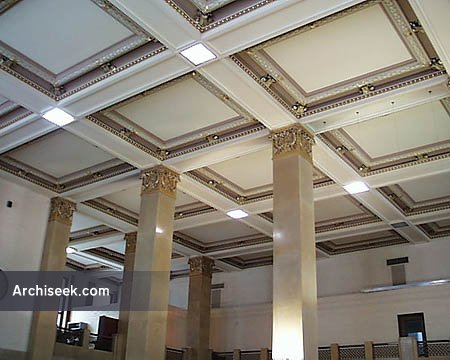
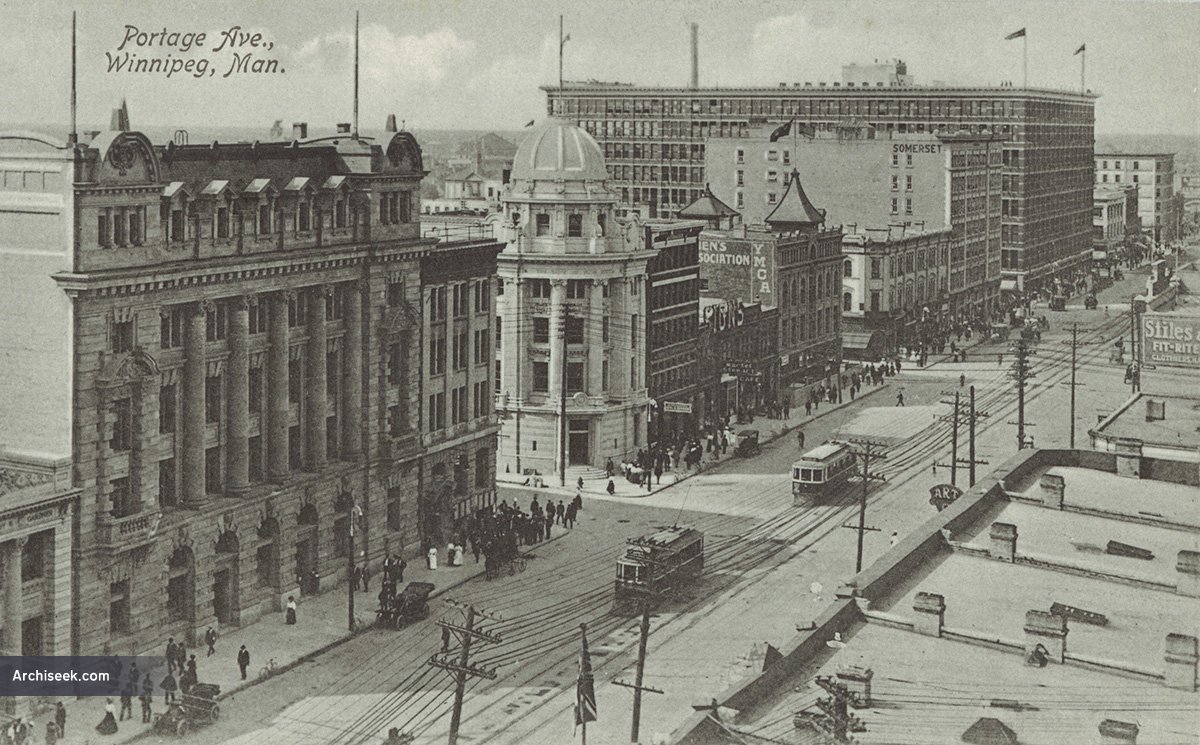


Designed by Toronto architects Darling & Pearson, the former Bank of Nova Scotia was the first bank to be erected away from “Banker’s Row” on Main Street. The building is also known as the A.A. Heaps Building, in recognition of the 1919 General Strike leader, Alderman and Member of Parliament. The Baroque style façade is terracotta manufactured in England and hung on a steel frame. The main rotunda features Caen stone and elaborate plaster designs. There is an elaborate interior banking hall, still largely intact.
“One of the newest and most notable of recent bank buildings constructed in Winnipeg, is the Bank of Nova Scotia, which will be completed in the course of a few months, at the cost of $250,000. It has a granite base, and the front walls are built of English glazed Terra cotta of a very light bufif or heavy cream tone, that presents a very pleasing effect. The structure is skeleton steel, fireproofed with concrete ; the columns are protected with brick and concrete. Terra cotta has been used for the partitions. The banking rooni has been decorated with Missisquoi marble for wainscott and Caen stone has been used above the wainscotting. The woodwork on the gruund floor is mahogany, while the upper floors have oak interior trim. The building has fireproof windows on all exposed sides. A feature of this structure worthy of note is the fact that the terra cotta used in its construction was brouHit from England, while the ornamental iron stairways were constructed in Glasgow.”
Construction, December 1909
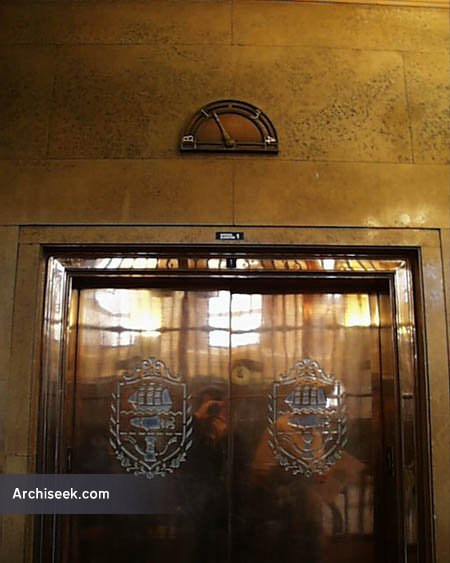
“The entrance with its chaste detail and four stone steps of easy gradient, leads into the rotunda, through which the banking room is reached. Here the wall scheme is executed principally in Caen stone, the ceihng elaborately panelled in plaster, and the floor laid in grey Missisquoi marble with a border of light Tennessee and verde antique. Opposite the doorway is the elevator enclosed in a grille work of iron, while more towards the centre of the rotunda is a circular staircase of marble leading down to the safety deposit vault in the basement. In the banking room the general scheme is treated to be consistently in character with the exterior of the building. This interior occupies an area of 73 by 34 ft. clear space, and is 29 ft. high. Caen stone is employed in the doorway and walls up to a height of 1 I ft., and above this the space is divided into a series of panels finished in plaster. The woodwork is of mahogany, and the counters, which are surmounted by grilles of solid bronze, are executed in a combination of light and dark grey Missisquoi marble with an inlay of verde antique. Missisquoi marble is also used for the floor scheme and the three cheque desks placed at regular intervals in the public space. An interesting feature of the plan is a series of alcoves in the wall forming the Garry Street elevation. These provide additional space for the banking staff, and assist materially to make the working arrangement most complete.”
Construction, June 1911
Share!
Cite This Article
Published September 30, 2009 | Last Updated April 7, 2026


